
Small Team, Big Loyalty: Systems That Win Clients for Life

Start Smart: Designing a Frictionless First Week
One-Page Plan That Aligns Expectations
Warm Welcome Sequence That Feels Personal
Single Source of Truth Your Clients Trust

Cadence Over Chaos: Meetings That Earn Their Keep

Reusable Templates as Multipliers

Retention Engine: Designing Experiences Clients Brag About
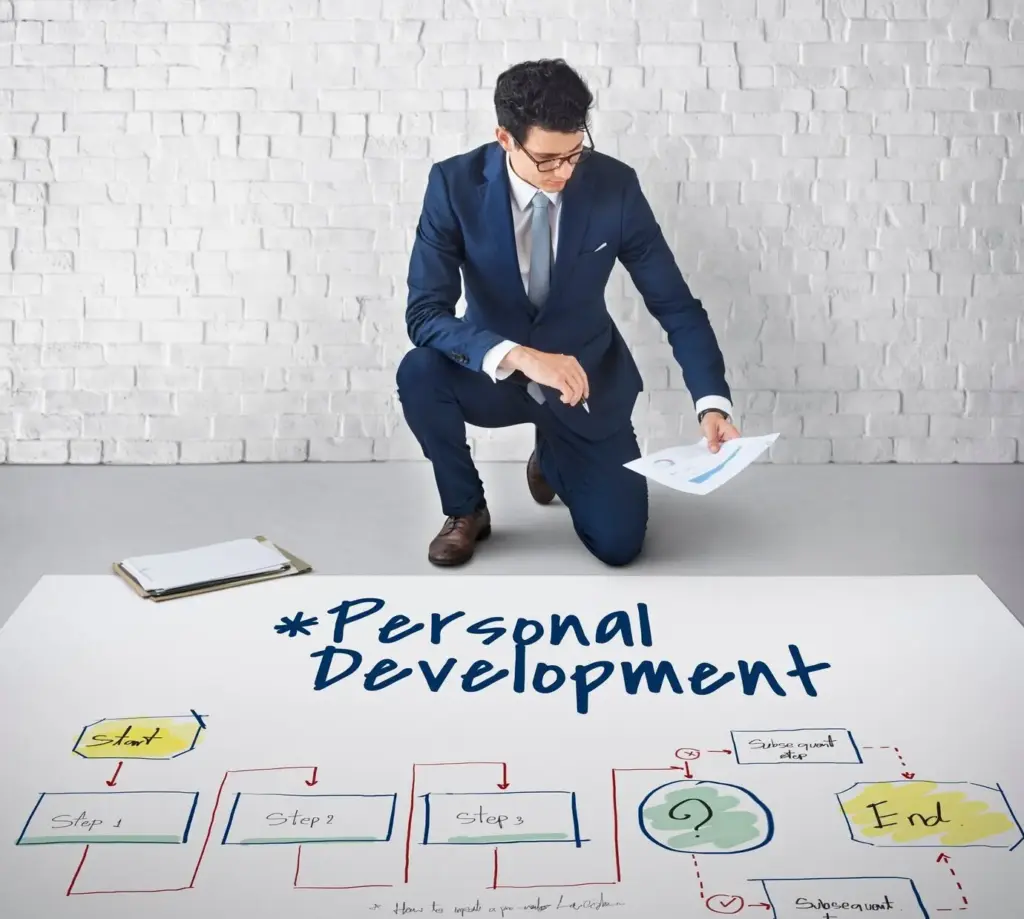
Right-Sized Tools: Choosing a Lean, Reliable Stack
Pick Few, Integrate Well
Select a small set of tools that integrate natively or via stable connectors. Document how data moves between them and who owns each system. Eliminate overlapping features that confuse clients and staff. Favor predictable performance over flashy novelty. When the stack is intentionally small, training is faster, adoption is higher, and your attention stays on client outcomes rather than troubleshooting brittle, half-connected software experiments.
No-Code Automation That Won’t Bite Back
Use no-code automation to move data, trigger reminders, and generate routine documents. Keep flows simple, logged, and reversible. Add guardrails like human approvals for risky steps. Monitor error queues and review changes monthly. Automation should remove drudgery without creating opaque magic. When you can explain every step to a nontechnical client, you know the system will survive vacations, laptop failures, and busy seasons without collapsing at the worst possible moment.
Privacy, Access, and Backups by Default
Treat security as part of client care. Limit access to least privilege, enable two-factor authentication, and rotate credentials on offboarding. Store sensitive items in a vault, not a spreadsheet. Back up project workspaces and automation configs regularly. Share a short, friendly security policy with clients. This quiet discipline signals professionalism and earns trust, especially when your team is small but expected to handle important, sometimes sensitive, work with steady hands.
Time to First Value as a North Star
Throughput and Predictability Over Raw Speed



Field Notes and Community: Share, Learn, Improve Together
All Rights Reserved.